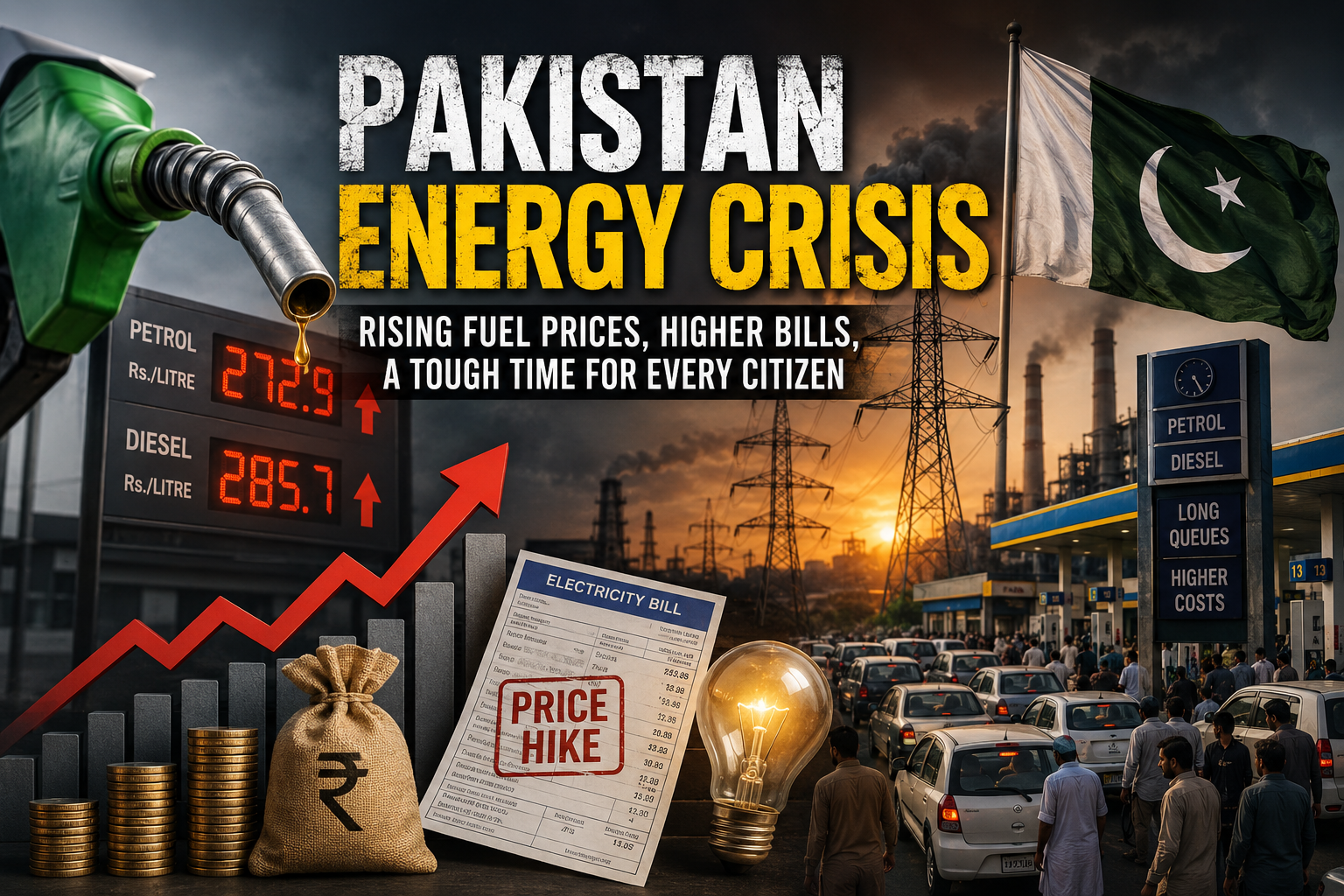


Pakistan is facing one of the most difficult economic phases in recent years as inflation continues to rise sharply, putting pressure on households, businesses, and overall economic stability. Prices of essential goods, fuel, electricity, and food items have increased significantly, making daily life more challenging for the common citizen.
The rising cost of living has directly affected purchasing power across the country. Middle and lower-income families are struggling to manage basic expenses as grocery bills, transportation costs, and utility charges continue to climb. Small businesses are also under strain due to higher operational costs and reduced consumer demand.
One of the major reasons behind this situation is the depreciation of the Pakistani rupee against the US dollar. Import-dependent goods have become more expensive, especially fuel and raw materials. As Pakistan relies heavily on imports for energy and industrial inputs, any fluctuation in global markets directly impacts local prices.
Another key factor contributing to inflation is the increasing cost of energy. Electricity and gas tariffs have been revised multiple times, affecting both domestic consumers and industrial production. As production costs rise, manufacturers pass these expenses on to consumers, further increasing inflationary pressure.
Food inflation has also reached concerning levels. Prices of wheat, sugar, cooking oil, and vegetables have surged in many parts of the country. Supply chain disruptions, fuel costs, and storage issues have added to the burden. For many households, food security is becoming a growing concern.
Economists suggest that tight monetary policies and structural reforms are necessary to control inflation in the long term. However, these measures often come with short-term economic slowdown, making policy decisions more complex for authorities.
The business community is also feeling the impact. Reduced consumer spending has slowed down retail activity, while industries face higher production costs and uncertain demand. Investors are closely monitoring the situation, as economic instability affects market confidence.
Government efforts to stabilize prices include negotiations with international lenders, subsidy adjustments, and attempts to improve revenue collection. However, sustained relief will require broader economic reforms, including reducing import dependency and strengthening local production.
Public sentiment continues to be affected as inflation directly influences daily life. Many citizens are calling for stronger economic measures to stabilize prices and improve affordability.
Pakistan’s inflation challenge remains a critical issue that needs consistent policy action and long-term planning. Without structural improvements, economic pressure is expected to persist in the coming months.
About The Author