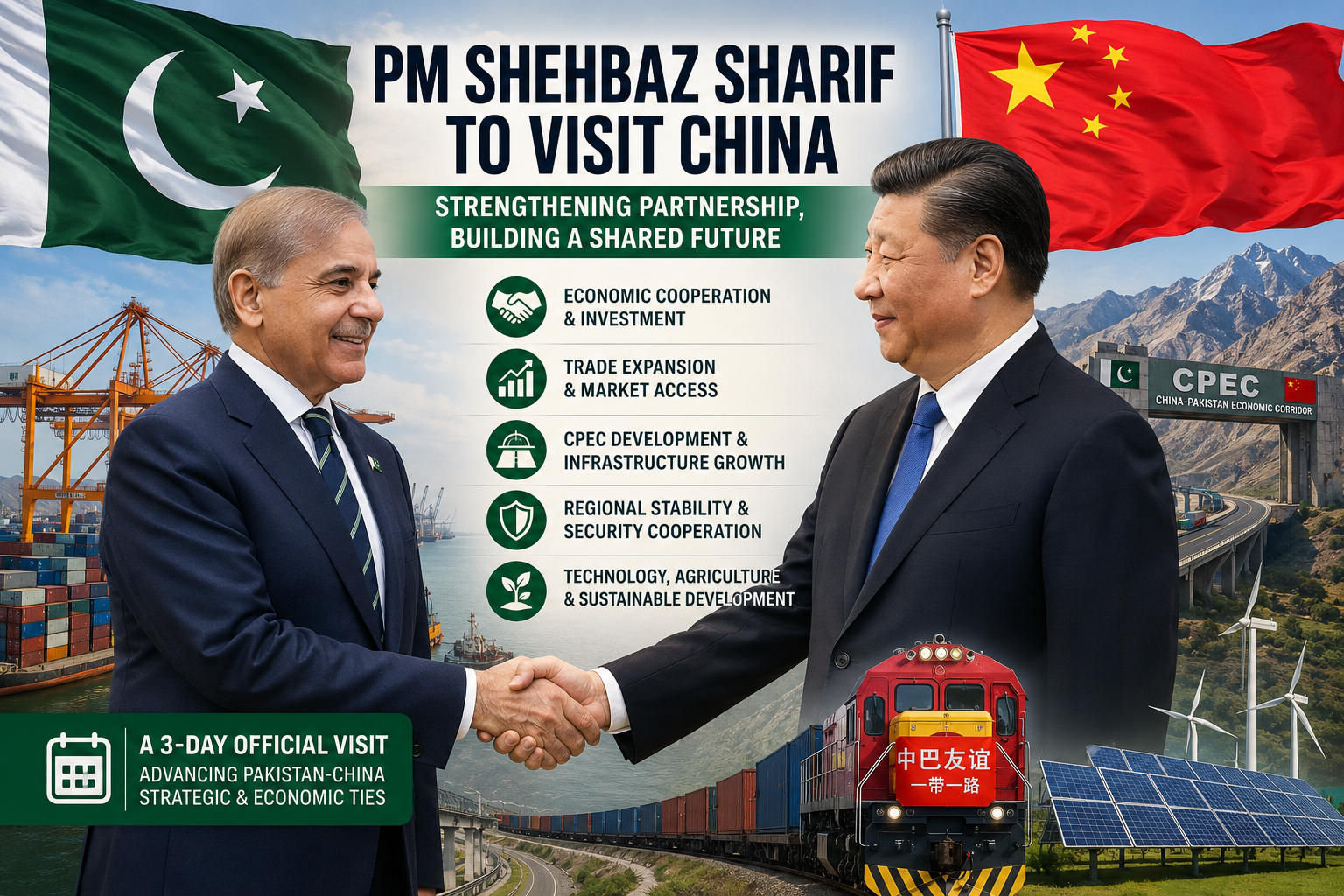


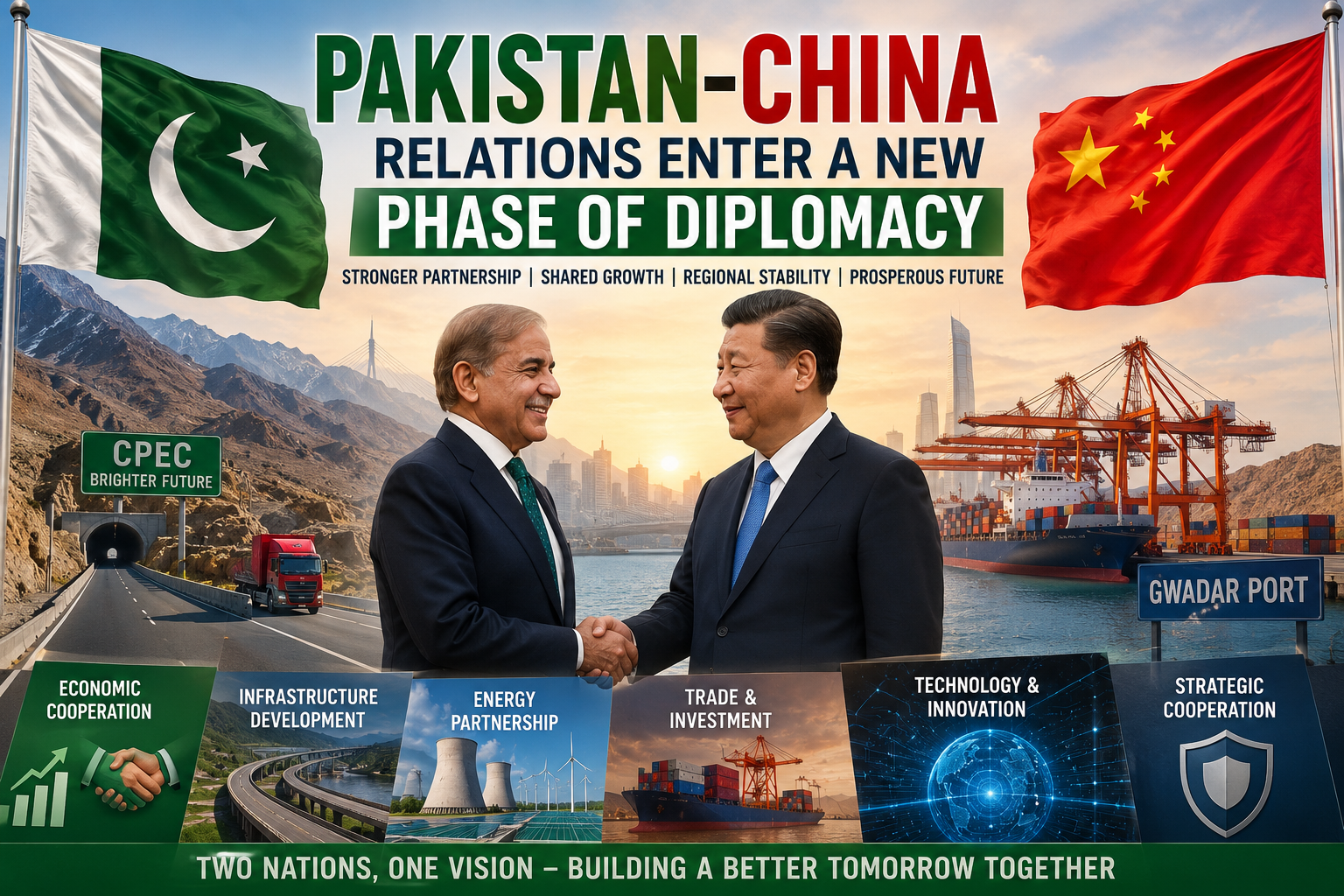
Pakistan-China relations have entered a new phase of diplomacy as both countries continue to strengthen economic, political, and strategic cooperation. The partnership between Pakistan and China has remained stable for decades, but recent developments show a broader diplomatic direction focused on trade, regional connectivity, defense, and investment.
Leaders from both countries are increasing high-level meetings to improve bilateral ties and support long-term regional goals. The relationship is now moving beyond traditional cooperation and focusing more on technology, energy projects, infrastructure, and economic stability.
Pakistan-China Relations Continue to Grow
Pakistan-China relations have always been important for regional peace and economic development. Both countries describe their friendship as stronger than time-tested partnerships. In recent years, diplomatic cooperation has expanded in areas including transportation, agriculture, defense, and communication technology.
The China-Pakistan Economic Corridor (CPEC) remains one of the biggest symbols of this partnership. Through CPEC projects, Pakistan has received major investments in roads, power plants, ports, and industrial zones. These projects have improved connectivity and created new opportunities for trade and employment.
Officials from both governments are now focusing on the second phase of CPEC, which includes industrial growth, agriculture modernization, and technology transfer. This shift shows that Pakistan-China relations are entering a more economic and development-centered stage.
New Diplomatic Strategy Between Pakistan and China
The new diplomatic phase is based on mutual cooperation in regional and international matters. Pakistan and China are working together on issues related to security, economic growth, and global partnerships.
China continues to support Pakistan in economic recovery plans, while Pakistan supports China on international diplomatic matters. This coordination has increased the importance of Pakistan-China relations in Asian politics.
Recent diplomatic discussions have also focused on:
- Expansion of bilateral trade
- Currency cooperation
- Investment in energy and mining sectors
- Regional security coordination
- Digital and technological partnerships
These developments are helping both countries strengthen long-term strategic planning.
Economic Cooperation Remains a Major Focus
Economic cooperation is one of the strongest pillars of Pakistan-China relations. China remains one of Pakistan’s largest trading partners and investors. Both countries are working to improve industrial production and exports through special economic zones and infrastructure projects.
Pakistan is also encouraging Chinese companies to invest in:
- Renewable energy
- Agriculture technology
- Textile manufacturing
- Information technology
- Transport infrastructure
Chinese investment is expected to create new employment opportunities and improve economic activity in several regions of Pakistan.
Regional Importance of Pakistan-China Relations
Pakistan-China relations are also important for regional stability. Both countries are increasing cooperation in border security, counterterrorism, and regional diplomacy. Their partnership plays a key role in South Asian and Central Asian connectivity projects.
China’s interest in regional trade routes and Pakistan’s strategic location continue to strengthen diplomatic coordination between the two nations. Gwadar Port remains a major point in future trade planning between Asia, the Middle East, and Africa.
Political experts believe this new phase of diplomacy could increase Pakistan’s economic position in the region while helping China expand trade access through regional corridors.
Future of Pakistan-China Relations
The future of Pakistan-China relations looks stable as both countries continue to support each other politically and economically. Diplomatic cooperation is expected to grow further in technology, defense, education, and industrial development.
Experts believe that stronger bilateral ties may help Pakistan attract more foreign investment and improve regional trade opportunities. China’s continued support in infrastructure and development projects can also help Pakistan manage economic challenges in the coming years.
As global politics continue to change, Pakistan and China appear committed to maintaining close diplomatic coordination. The partnership is now entering a broader and more strategic phase focused on long-term regional cooperation and economic growth.
Conclusion
Pakistan-China relations are entering a new phase of diplomacy based on economic cooperation, strategic planning, and regional partnerships. Both countries are increasing efforts to strengthen trade, infrastructure, security, and investment opportunities. With ongoing diplomatic engagement and expanding economic projects, Pakistan and China are expected to maintain strong bilateral ties in the future. The growing partnership reflects shared interests in regional stability, economic development, and long-term cooperation.
About The Author