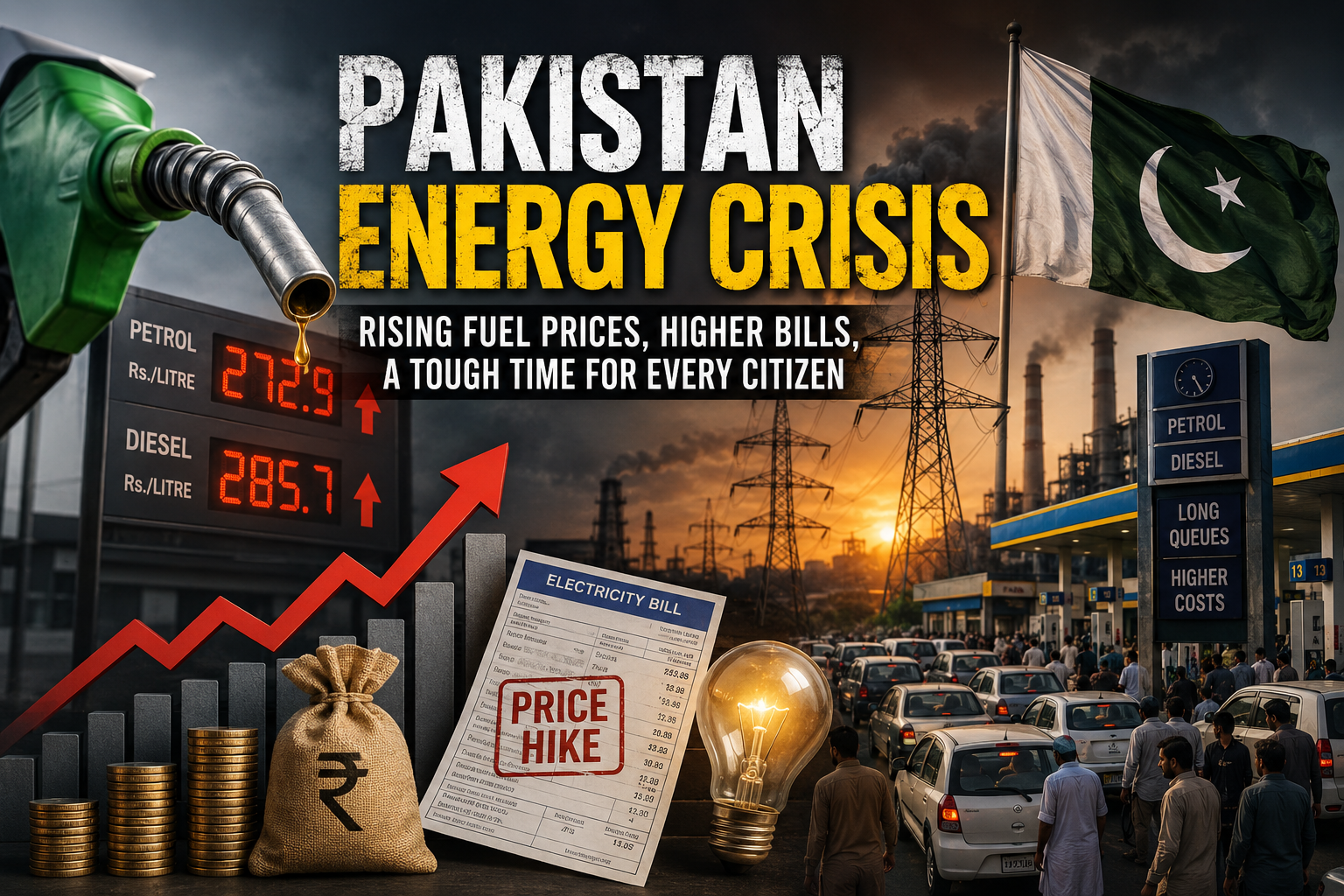


Petrol prices in Pakistan are once again under discussion as international crude oil rates show an upward trend and import costs continue to increase. Market analysts and energy sector experts suggest that consumers may face another hike in fuel prices in the upcoming government review cycle.
The expected increase in petrol price in Pakistan has raised concerns among households, transporters, and small business owners already dealing with inflation and rising utility bills.
International Oil Market Pressure Behind Possible Increase
The global oil market plays a major role in determining local fuel prices. Recent fluctuations in Brent crude oil have put pressure on importing countries like Pakistan, which relies heavily on imported petroleum products.
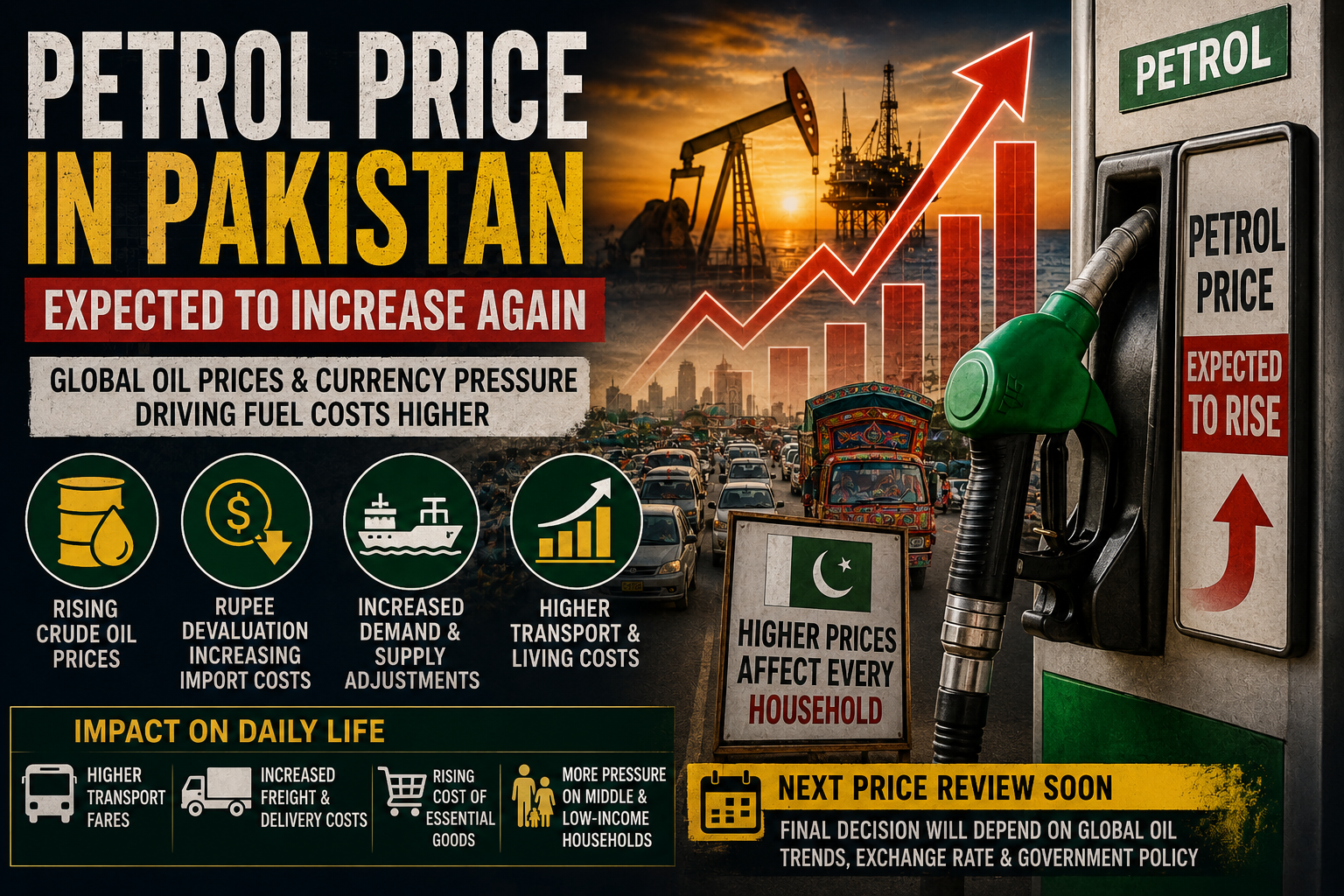
Key reasons influencing the expected increase include:
- Rising crude oil prices in the international market
- Increased demand from major economies
- Supply adjustments by oil-producing countries
- Currency exchange pressure impacting import bills
As Pakistan imports a large portion of its petroleum, even small changes in global oil rates directly affect local pricing.
Currency Devaluation Adds More Burden
Another major factor contributing to the expected rise in petrol price in Pakistan is the ongoing pressure on the Pakistani rupee. When the local currency weakens against the US dollar, import costs increase significantly.
Since oil payments are made in dollars, any depreciation in the rupee results in higher landed cost of fuel. This creates a chain reaction that eventually impacts retail prices at petrol stations.
Impact on Transport and Daily Life
If petrol prices increase again, the most immediate impact will be seen in transportation costs. Public transport fares, ride-hailing services, and logistics expenses are expected to go up.
Possible effects include:
- Increase in bus and taxi fares
- Higher delivery and freight charges
- Rising cost of essential goods due to transport expenses
- Increased pressure on middle and lower-income households
Transport unions have already warned that any further hike will force them to revise fare structures.
Inflation Concerns for Consumers
A rise in fuel prices does not only affect transport. It also contributes to overall inflation in the country. When petrol prices increase, the cost of goods and services across multiple sectors rises.
This includes:
- Food supply chain costs
- Manufacturing and production expenses
- Agricultural transport and machinery costs
- Retail product pricing
As a result, consumers may experience a broader inflationary impact beyond just fuel expenses.
Government’s Pricing Mechanism
In Pakistan, petrol prices are reviewed every two weeks based on recommendations from the Oil and Gas Regulatory Authority (OGRA) and global market trends. The government then decides whether to increase, reduce, or maintain prices.
The final decision usually depends on:
- International crude oil rates
- Tax adjustments and petroleum levies
- Exchange rate fluctuations
- Subsidy considerations
Authorities often try to balance public relief with fiscal requirements, but rising global costs limit their flexibility.
Public Reaction and Economic Pressure
The possibility of another increase in petrol price in Pakistan has already triggered concern among the public. Many citizens believe that repeated fuel hikes are worsening economic conditions and reducing purchasing power.
Small traders and daily wage earners are particularly affected, as fuel cost increases often reduce overall demand and business activity.
Outlook for Coming Weeks
Energy market experts suggest that the next price revision will depend heavily on international oil stability. If crude prices remain high or the rupee continues to weaken, there is a strong possibility of an upward adjustment.
However, if global markets stabilize, the government may attempt to maintain current prices or offer partial relief through tax adjustments.
Conclusion
The expected rise in petrol price in Pakistan is linked to multiple external and internal economic factors, including global oil trends and currency pressure. While the final decision is still pending, market signals indicate a challenging period ahead for fuel consumers.
Monitoring international oil movements and government policy updates will be key in the coming days as citizens prepare for possible changes in fuel costs.
About The Author